本間裕介写真展

鎧潟をさがす旅/Journey To Find Yoroigata

6/16[日]―30[日]

niigata eya exhibition 672

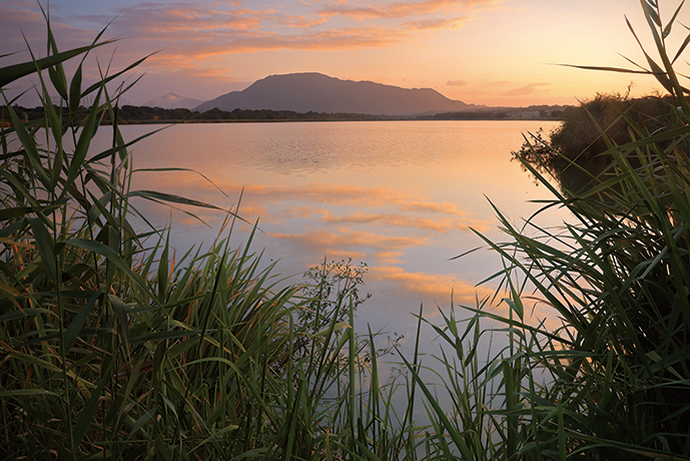
 本間裕介の写真は、ネイチャーアクアリウムと写真の師である天野尚の写真と違っている。と、一目で感じられる。
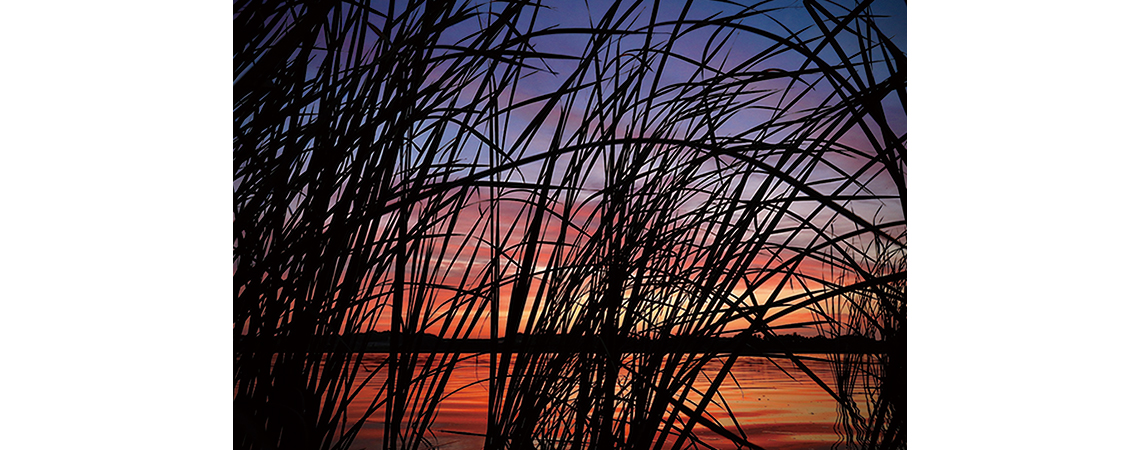
 印象的なのが視点の低さで、身をかがめ、小動物の目で撮ったような写真が多い。しかしそれを「方法」としているのではなく、自然にそうなってしまうというふうで、そこがいい。
 見ていると、美しさに溶けて、どこかやわらかくも、切実な感情が聞こえてくる。現存する潟である佐潟を見つめながら、干拓で消えた鎧潟を探していると本間は言うのだが、その思いは、幼い日にその鎧潟で無数の命とたわむれた記憶から、美しい、生きた水槽を創造した天野の記憶を源流とする。それが本間という川に合流し、その水音が、無数の命を一挙に殺戮した干拓事業という過去に、私の目を誘っていく。(企画者:大倉 宏)

Yusuke Homma’s photographs are different from those of his mentor in Nature Aquarium construction and photography, Takashi Amano. One can sense this at a glance.
What is striking is the low point of view. However, this is not a “method,” but rather a natural way of taking pictures, and I like that.
When you look at them, you can hear the soft, yet sincere emotions melting into the beauty. Homma says that he is looking for the Yoroi Lagoon, which disappeared due to land reclamation, while gazing at the existing lagoon, Sagata; his thoughts’ headswaters originate from Amano’s memory of creating a beautiful, living aquarium based on his childhood memories of playing with countless aquatic lives in the Yoroi Lagoon. It joins a river called Homma, and the sound of its waters lures my eyes into the past of a land reclamation project that killed countless lives in one fell swoop. (Exhibition Planner: Hiroshi Okura)

本間裕介(ほんま ゆうすけ)
1975年新発田市生まれ。幼少から川や田で遊び、中学時代からアクアリウムの魅力にはまる。18歳で天野尚と出会い、ネイチャーアクアリウムや自然に対する考え方に共感する。写真家でもあった天野の撮影やネイチャーアクアリウムの制作助手を天野が亡くなるまで約20年間務めた。現在、株式会社アクアデザインアマノの水景クリエイターとして啓蒙活動を行っている。写真の個展は今回が初。
instagram@yusuke_homma_ada

Yusuke Homma
Born in 1975 in Shibata City, Japan. He played in rivers and rice paddies from childhood, and became fascinated with aquariums in junior high school. At the age of 18, he met Takashi Amano, with whom he shared his views on Nature Aquariums and nature. He worked as an assistant in photography and in Nature Aquarium production with Amano, who was also a photographer, for about 20 years until Amano’s death. Currently, he is engaged in enlightening activities as an aquascape creator for Aqua Design Amano Co., Ltd. This is the first solo exhibition of his photographs.
instagram@yusuke_homma_ada


ギャラリートーク「鎧潟をさがして」
6/28[金]18:30 ― 19:30

本間裕介 聞き手 大倉宏
参加料500円/定員15人/要申込
新潟絵屋へメール等でお申し込みください。
→満席となりました
info@niigata-eya.jp
tel.025-222-6888
Instagramにてご覧いただけます。
本間裕介写真展

本間裕介 写真展


作品は店頭および通販サイトeyashopにてお求めいただけます
本間裕介


「天野尚写真展―創造の原点―」
6/8[土]― 7/21[日] 9:30 ― 17:00

*終了しました

休館日:月曜日(7/15は開館)、7/16
入館料600円(中学生以下無料)
会場:雪梁舎美術館 新潟市西区山田451
tel.025-377-1888

同時期に新潟市で天野尚さんの展覧会も開催されています。


BSNテレビ
NEWS「写真家・水景クリエイターとして活躍した亡き師匠 天野尚の原点 消えた『鎧潟』を探して…」

*動画をご覧いただけます(2024.6.20放送)

鎧潟

Yoroigata
A lake (lagoon) that once spanned the former towns of Makimachi, Nishikawamachi, and the former village of Katahigashi in Nishikambara District, Niigata Prefecture (now Nishikambara Ward, Niigata City). It measured 2.5 km in both the east-west and north-south directions. It was the largest lagoon among the lakes and marshes of the Echigo Plain. The people living around Yoroigata continued the way of life passed down from the Jomon period—including hunting (migratory birds such as ducks) and gathering (water chestnut seeds, lotus roots, etc.)—while also engaging in agriculture, fishing (for crucian carp, carp, eels, etc.), and hunting (migratory birds such as ducks) and gathering (water chestnut seeds, lotus seeds, etc.)—lifestyles passed down from the Jōmon period—while also enjoying the lake’s bounty through boating, fishing, and finding solace in the beautiful scenery of the four seasons, living in harmony with the lake. In the surrounding low-lying wetlands, which were frequently hit by floods due to their low elevation, efforts—including the construction of the Shin-kawa Canal in the late Edo period to drain the three lakes of Yoroigata,Tagata, and Ogata,along with efforts to improve the land and expand arable farmland. Before land reclamation progressed in the Meiji era, Kai-gata played a significant role as a flood retention basin,However, after the war, driven by the rapid need to increase food production and at the request of farmers, a plan for full-scale reclamation was drawn up, and construction of the “State-Operated Yoroigata Reclamation Project” began in 1958. This massive undertaking involved diverting the flow of the three rivers feeding the lagoon into newly excavated canals and constructing five drainage pumping stations to drain the water all at once(within a few days). Full reclamation was completed in 1966, and the following year, 234 hectares of paddy fields were developed. As a result, the rich and diverse flora and fauna that inhabited the lagoon were wiped out, and migratory birds and migratory fish lost their habitats and places to return to. Most of the reclaimed land went to the residents of the Endo, for whom fishing and agriculture were the mainstays of their livelihoods. However, even before the reclamation, issues had begun to arise—such as the appearance of deformed fish due to wastewater discharged from upstream factories. Some view the realization of the Yoroigata reclamation as the result of a complex interplay of factors: the desire to provide land to people who no longer saw a future in fishing, the wish to avoid the resistance faced by the Hachirogata project, and the intention to prevent the emergence of land title disputes.
Yoroigata was an ideal playground for local children. Takashi Amano, who played there as a boy, recalls that Yoroigata—a “sanctuary for living creatures”—was a place that “opened a precious door deep within me that even I didn’t know existed.” Beyond that door, he would eventually recreate the world of the lagoon inside a glass tank in the form of a “Nature Aquarium.” In today’s Yoroi Lagoon—said to have been transformed into “fertile farmland”—a concrete irrigation canal runs along three sides. Amano remarked that there is now almost no room for the creatures that once inhabited the lagoon to live, and it has turned into a green desert.

as captured in an aerial photograph of Kai-gata taken by the U.S. military on May 6, 1948.